Fell & Sell Best Starter Builds
Start strong. Build from a solid foundation.
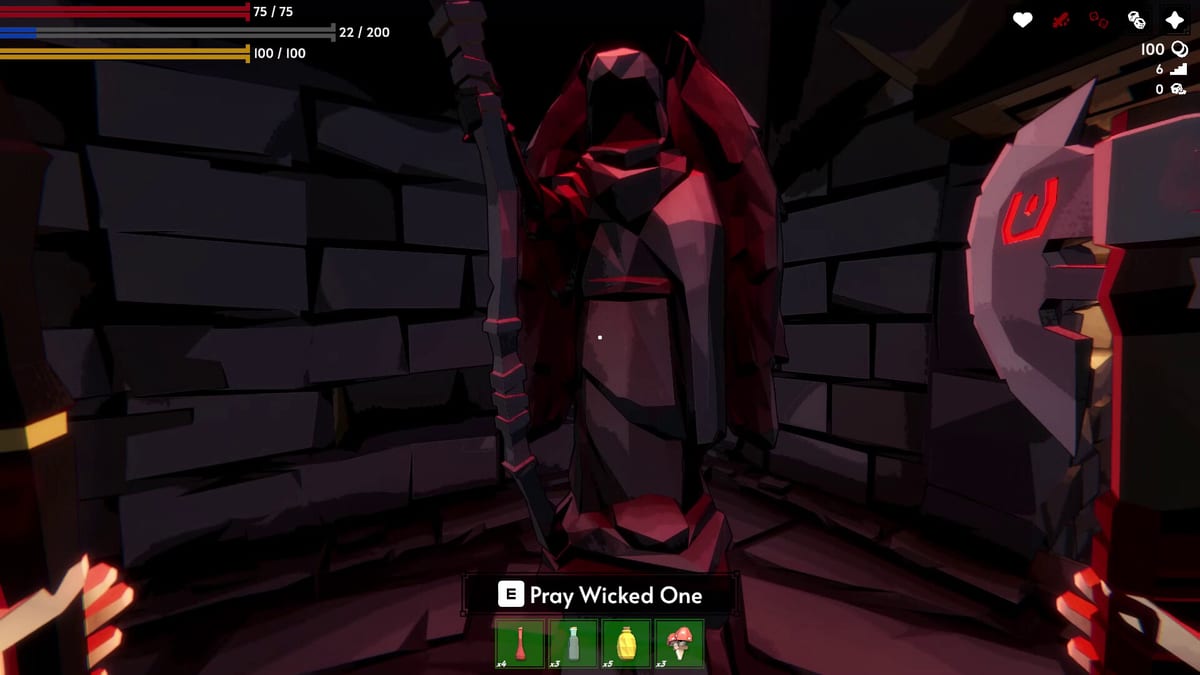
The first ten hours in Fell & Sell define your relationship with the game. A well-chosen starter build teaches you the fundamentals while generating enough gold to experiment freely. A poorly-chosen build can make every run feel like an uphill struggle. This guide covers three proven starter configurations — one for each major playstyle — with exact gear priorities and progression roadmaps.
Build A: The Balanced Shopkeeper
The default recommendation. This build prioritizes steady income over everything else, using the shop management loop as the primary progression driver.
Philosophy: Consistent survival and reliable profits. Every run funds the next run.
Starting gear: Keep your starting sword and basic armor. Do not spend gold on weapons early — let dungeon drops upgrade you naturally.
Early priorities (first 5 hours):
- Tier 2 shop upgrade (Expanded Shelving) as soon as you have 400 gold above your safety buffer.
- Decoration: one weapon display, one armor stand.
- Fill your expanded shelf with diverse inventory.
Mid-game transition: Shift from raw selling to crafting as material supply stabilizes. Begin crafting Iron Swords and Leather Vests for margin.
Progression roadmap: Tier 2 → Tier 3 → crafting focus → Tier 4 if crafting heavily.
Playstyle tips: Bank frequently. Price conservatively to build customer flow. Check the Quest Board after every run.
Build B: The Aggressive Dungeoneer
For players who want to push deep floors quickly and treat the shop as secondary infrastructure.
Philosophy: Kill things fast, loot the best items, come home rich.
Starting gear: Invest early gold in one solid weapon upgrade from the Quest Board. Keep armor modest — your goal is not to take hits but to avoid them.
Early priorities (first 5 hours):
- One quality sword from the Quest Board (aim for uncommon or better).
- Mobility-focused light armor.
- Inventory capacity upgrades if available.
Mid-game transition: As your weapon improves, push deeper floors for rarer loot. Shift gold from shop upgrades to weapon and armor upgrades.
Progression roadmap: Weapon upgrade → floor 3 → floor 4 → floor 5 → shop upgrades with deep-floor income.
Playstyle tips: Fight enemies that teach you something. Flee from attrition fights. Bank between every floor when learning.
Build C: The Crafter
For players who enjoy systems and want to maximize the value of every material through crafting.
Philosophy: Every material has potential. Craft it into something worth more.
Starting gear: Accept that you will be poor and under-equipped for the first few hours. Crafting requires material accumulation.
Early priorities (first 5 hours):
- Collect materials aggressively. Even common materials have crafting value.
- Tier 2 shop upgrade as early as possible.
- Crafting Station upgrade (Tier 4) when available.
Mid-game transition: Once you understand material values and recipe margins, focus on high-margin recipes. Plate Armor and Knight’s Mace offer the best returns.
Progression roadmap: Material accumulation → Tier 2 → Crafting Station → high-margin recipe focus → Tier 3.
Playstyle tips: Do not sell raw materials early — hold them until you have a crafting station. Track material prices to know when to sell raw versus craft.
Which build is right for you
Choose based on how you want to spend your time:
If you enjoy the shop management and economic strategy, Build A.
If you want dungeon action and the thrill of pushing deep floors, Build B.
If you enjoy optimization and systems mastery, Build C.
All three builds are viable. The wrong build is the one that does not match how you actually want to play.
Related guides
The Altar Builds guide covers how to adapt these starter builds around altar effects mid-run.
The Weapons guide shows which weapons are best for each build archetype.
The Crafting Recipes guide is essential for Build C players.
Frequently Asked Questions
Quick answers to the most common questions.
Can I switch builds mid-playthrough?
Yes — Fell & Sell does not lock you into a build. As your gear and gold situation evolve, you can shift from one build archetype to another. Many players start with Build A and shift to Build B as their shop stabilizes.
What if I pick the wrong build?
You can always reallocate. Sell your current gear, adjust your shop strategy, and shift your focus. The only cost is time and gold, both of which are recoverable.
Are there builds that require specific starting items?
No — all builds use starting gear plus Quest Board rewards and dungeon drops. No specific starting item is required for any build.
How long does each build take to come online?
Build A comes online within the first hour — it is immediately viable. Build B comes online when you get your first quality weapon upgrade (2-4 hours). Build C takes longest (5-8 hours) because it requires material accumulation.