Fell & Sell Shop Management
Turn your roadside cabin into the ultimate mercantile powerhouse.
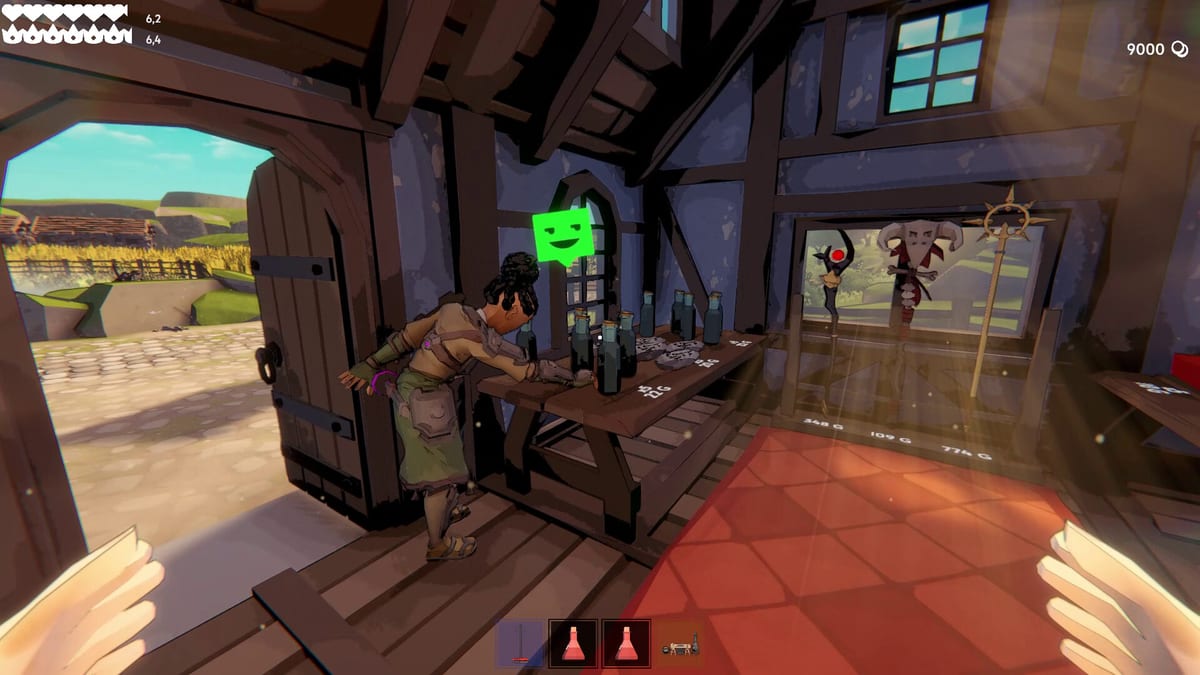
The shop is the heart of your Fell & Sell empire. Every sword swung and skeleton slain exists to stock these shelves. This hub covers everything from setting your first price tag to building a legendary trading post that draws customers from across the realm.
Customer traffic, Comfort, inviting NPCs in, and collecting coin are covered on Customers. Furniture scrolls and the demo veteran piece sit on Furniture.
Pricing your inventory
Setting prices is the most consequential decision you make as a shopkeeper. Price too high and goods gather dust. Price too low and you go bankrupt. The Pricing Guide breaks down the full formula — supply, demand, shop prestige, and decoration bonuses — so you always find the sweet spot.
Decoration for combat
Your interior design is not merely cosmetic. Strategic furniture placement provides permanent combat buffs for your next dungeon dive and boosts your shop’s overall sales appeal. The Decoration Buffs guide explains which decor provides which bonuses, how layout affects both combat and commerce, and the best investment order for limited gold.
Shop upgrades
Transform your humble cabin into a sprawling marketplace. The Shop Upgrades guide covers every upgrade tier, what each one unlocks, and the optimal sequence to maximize your return on investment.
Related guides
The How to Make Money guide covers the economic loop end-to-end — combining dungeon runs, crafting, Quest Board tasks, and smart selling into a coherent profit strategy.
The How to Sell Items guide goes deeper on the psychology of NPC customer behavior and how to exploit demand spikes.
Cross-links within Shop
The three shop sub-pages — Pricing Guide, Decoration Buffs, and Shop Upgrades — are fully cross-linked. Read them in order for the complete picture of building a profitable shop.
Customer types and their preferences
Not all customers want the same things. Some are bargain hunters who only buy items priced below market value. Others are collectors who specifically seek rare and legendary items regardless of price. A third type is the practical buyer — they want functional mid-tier equipment at reasonable prices. Stocking a variety of items at a variety of price points attracts all three customer types and maximizes your daily sales volume.
Shop reputation and prestige
Your shop accumulates reputation with each successful sale. Higher reputation unlocks access to higher-value customers, better wholesale pricing from suppliers, and occasional exclusive item requests that pay a premium. The Shop Upgrades guide covers the full reputation track and what each tier unlocks.
Seasonal demand shifts
Certain item types see significant demand spikes during seasonal events or after specific game updates. If a balance patch buffs a particular weapon type, players rush to buy that weapon category. If a seasonal event makes a particular enemy more common, the items from that enemy rise in value. Timing your sales around these shifts is a learned skill that experienced shopkeepers use to maximize profit margins.
Frequently Asked Questions
Quick answers to the most common questions.
What is the most profitable item type to sell?
Crafted weapons and armor typically command the highest margins, especially when you understand the supply-demand cycle. Raw dungeon loot has lower margins but requires no crafting time.
How do decoration buffs work?
Each piece of furniture in your shop provides a specific combat or commerce bonus. The right layout multiplies these bonuses. Bad placement wastes potential entirely.
Should I upgrade my shop or my gear first?
Early game, prioritize dungeon-ready gear so you can access deeper floors. Once you are consistently reaching floor 3 or deeper, shift gold toward shop upgrades to compound your income.