Fell & Sell How to Make Money
Every gold source in Fell & Sell — from raw loot to ruthless market timing.
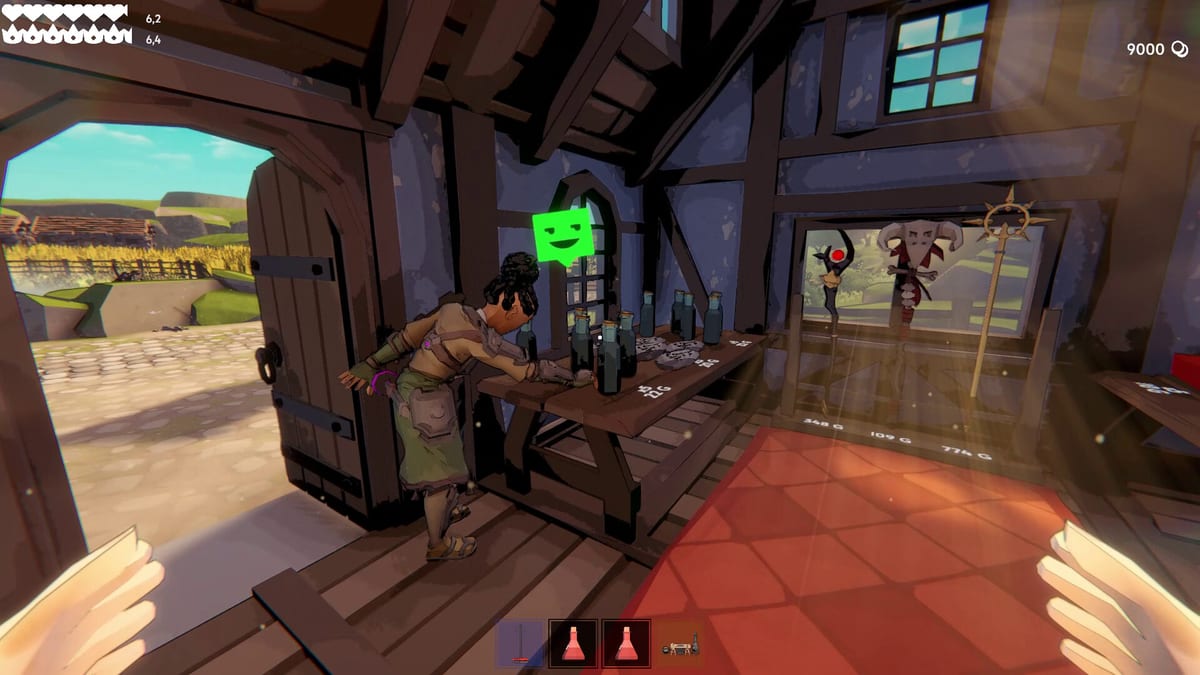
Money is the oxygen of your Fell & Sell empire. Run dry and your shop gathers dust while the dungeon waits hungrily. This guide covers every income source, how to prioritize them, and how to build a coherent profit strategy from your first sale to your tenth thousand gold.
The income hierarchy
Fell & Sell has five primary income sources. They vary in reliability, margin, and time investment:
1. Raw dungeon loot
The simplest income source: kill enemies, pick up what they drop, sell it. Raw loot has the lowest margins but requires no crafting time or market knowledge. It is the backbone of early income and remains a reliable supplement throughout the game.
2. Crafted items
Crafting transforms raw materials into items worth significantly more. A sword hilt + blade + grip might sell for 40 gold as separate components but 120+ gold as a finished sword. The Crafting Recipes guide has the full breakdown.
The key insight: not all recipes are equally profitable. Some recipes cost more in materials than the finished item sells for. Learn which recipes have positive expected value before investing crafting time.
3. Quest Board rewards
The local Quest Board accepts expedition achievements and pays in gold, gear, and items. This is the most underestimated income source in Fell & Sell. Players who check the board after every run earn 20-30% more per session than players who ignore it.
Quests refresh regularly. Check every visit.
4. Market timing
NPC customer behavior follows patterns. Demand for specific item types spikes at different times, and shop prestige affects what customers are willing to pay. The How to Sell Items guide covers this in depth.
5. Deep dungeon runs
Rarer loot drops on deeper floors. Once your gear and build can reliably handle floor 4 and beyond, the loot-per-run value skyrockets. This is the endgame income strategy — everything else is a stepping stone.
Building your profit routine
The most effective Fell & Sell players follow a consistent post-run routine:
- Bank all loot you are not immediately selling.
- Stop by the Quest Board and claim any completed objectives.
- Assess inventory: what goes to the shop, what goes to crafting, what goes to the bank.
- Price new items on the shelf using the formula in the Pricing Guide.
- Buy any shop upgrades that are within budget.
- Plan the next run.
Common money mistakes
Overpricing early. New shopkeepers instinctively price high. This is backwards. Price modestly to build customer flow, then raise prices as your reputation and decoration bonuses grow.
Ignoring the Quest Board. Twenty gold here, thirty gold there — it adds up to hundreds over a playthrough.
Hoarding good loot. Some players hold legendary drops waiting for the perfect moment. In the meantime, their shop sits empty and their gold earns nothing. Sell most of what you find. Keep one or two pieces of truly exceptional gear for yourself.
Crafting low-margin items. Check the math before crafting. If a recipe costs more in materials than the output sells for, you are burning gold.
The long game
Your shop compounds over time. Decoration bonuses grow. Prestige rises. Customer flow increases. Each dungeon run becomes more profitable as your shop infrastructure improves. This is why the early game focus on survival and basics pays off — players who skip straight to complex strategies without a stable economic foundation often restart.
Related guides
The Pricing Guide explains the exact formula for setting optimal prices.
The Crafting Recipes guide shows which items are most profitable to craft.
The Quest Board guide covers every Quest Board objective and reward tier.
Frequently Asked Questions
Quick answers to the most common questions.
What is the fastest way to make gold early game?
Check the Quest Board immediately after every run — it provides the highest gold-per-minute of any activity in the first five hours. After that, focus on crafting weapons, which have the best material-to-profit ratio.
Should I sell everything or keep some loot for myself?
Keep one or two best-in-slot items for your build. Sell everything else. Hoarding legendary drops for personal use while your shop sits empty is a common early mistake that slows your overall progress.
How do I know if a crafting recipe is worth it?
Compare the market value of the output item versus the sum of its component values. Recipes where the output sells for more than 2x the component value are generally excellent. Check the Crafting Recipes guide for a full list.
Does shop prestige affect income?
Yes, significantly. Higher prestige attracts more customers and increases their willingness to pay premium prices. Building prestige should be a parallel goal to building inventory.