Fell & Sell Crafting Guide
Turn dungeon loot into powerful gear and profitable merchandise.
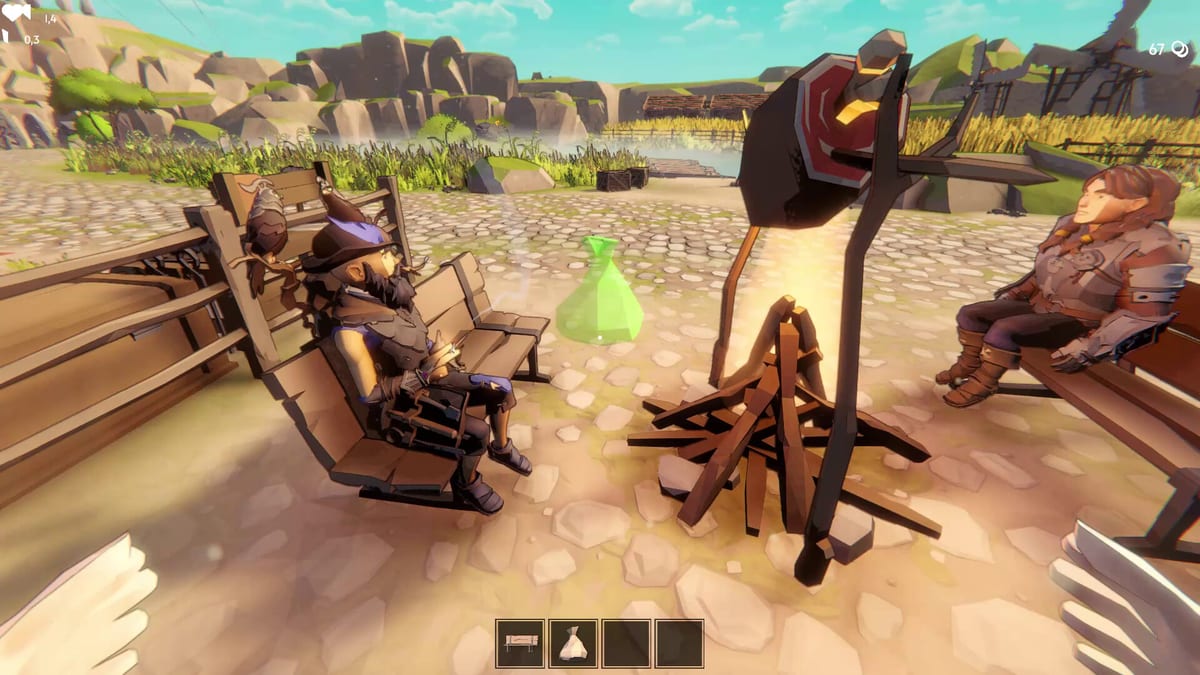
Crafting is where dungeon runs become a real business. Every weapon you haul, every ore you mine, every herb you gather feeds back into your ability to equip yourself better and stock your shelves fuller. This guide covers the full crafting system as of the 4 September 2026 SHOP UPDATE (Ver. 1.4.0).
The crafting interface
Access the crafting menu from the workbench inside your cabin. The interface shows all available recipes organized by category: weapons, armor, furniture, and consumables. Each recipe displays the required materials, the resulting item, and any applicable bonuses or penalties.
The Expanded Item UI from the SHOP UPDATE gives you clearer stat previews before you commit to a recipe. Hover over any craftable item to see its expected stats, base value, and how it compares to your current equipped item in that slot.
Recipe categories
Weapons — Crafting weapons is the highest-impact use of quality materials. A well-rolled crafted weapon outperforms most dungeon drops in its tier. Prioritize crafting when you have rare components like Starmetal or Ancient Cores.
Armor — Crafted armor provides more consistent protection than drops because you control the stats. Armor crafting recipes generally require leather, metal ingots, and fabric. Higher-tier armors add reinforcement materials that multiply defensive bonuses.
Furniture — Furniture crafting is unique to Fell & Sell. Your shop displays are craftable items that provide decoration bonuses. A weapon display case boosts weapon sale prices. An armor stand boosts armor prices. Every piece of furniture you craft has a direct impact on your pricing power.
Consumables — Potions, food, and utility items for dungeon runs. Consumable crafting is straightforward: herbs and reagents in, buffs and healing out. Keep a stock of basic consumables before every run.
Core materials
| Material | Source | Common Uses |
|---|---|---|
| Iron Ore | Dungeon floors, especially Shallow | Basic weapons, armor, furniture |
| Leather | Forest foraging, goblin drops | Armor crafting, wraps |
| Wood | Forest trees, some dungeon rooms | Furniture, tool handles |
| Herbs | Forest and overworld gathering | Consumables, alchemy |
| Starmetal | Darkest Dungeon floors, rare drop | High-end weapon and armor crafting |
| Ancient Cores | Elite rooms, boss drops | Legendary item crafting, furniture upgrades |
| Fabric | Forest events, some quest rewards | Armor, decoration items |
Material sourcing strategies
The dungeon gives you iron and combat materials. The forest gives you crafting inputs the dungeon does not. A complete crafting strategy alternates between both environments:
- Run the dungeon for combat loot and rare materials
- Forage the forest between dungeon runs to gather herbs, leather, and wood
- Check the Forest Foraging guide for event timing, especially mushroom season which yields rare alchemical ingredients
- Bank your haul before crafting — never craft with a full bag you cannot afford to lose
Item Deconstruction (Ver. 1.4.0)
The SHOP UPDATE introduced Item Deconstruction as a recovery mechanism for failed crafts. If you craft a weapon that rolls poor stats, armor that does not fit your build, or furniture you do not need, you can now deconstruct it to recover a percentage of the original materials.
Deconstruction does not return everything — the developer described it as a way to “salvage a bad craft” rather than a full refund. It is most valuable when:
- A high-end craft used expensive rare materials
- You need the exact same materials to try a different recipe
- Storage is full and the item has no practical use
Compare the sale value of a suboptimal craft to its deconstruction value before deciding. A cheap recipe that rolled poorly might sell for more than its material value. An expensive legendary craft that missed its desired stats might be worth more in recovered Starmetal and Cores than its sale price.
Pricing your crafts
The pricing logic overhaul from the SHOP UPDATE changed how crafted items are valued. Base prices are now set first, with active shop bonuses calculating as a percentage on top of that base. This means:
- A crafted item’s visible base value helps you judge whether selling or deconstructing makes more sense
- Decoration bonuses stack additively on top of base value — a decorated category with a high-prestige shop can yield dramatic margins
- The Expanded Item UI shows clearer breakdowns of what affects an item’s final price, helping you decide what to stock
See the Pricing Guide for the full formula.
Crafting progression
Early game: focus on functional gear. Craft basic weapons and armor to replace starting equipment. Use forest materials for consumables.
Mid game: shift toward furniture crafting. Decoration bonuses compound over time — the earlier you build your display infrastructure, the more gold each sale generates.
Late game: prioritize legendary crafting. When you have Starmetal and Ancient Cores, craft high-end items for either personal use or maximum sale value. A fully decorated late-game shop with prestige bonuses can double or triple the value of each crafted item.
Related pages
Crafting Recipes — full recipe list with material costs Item Deconstruction — deconstruction mechanics and strategy Decoration Buffs — furniture bonuses and display optimization Pricing Guide — how crafts are valued in your shop Updates — SHOP UPDATE Ver. 1.4.0 full patch notes
Frequently Asked Questions
Quick answers to the most common questions.
What is the most valuable thing to craft?
Weapons and armor made from Starmetal and Ancient Cores have the highest base values and sale prices. Furniture provides the best long-term return through decoration bonuses that apply to every sale.
Should I craft early or wait for better materials?
Craft basic functional gear early to survive deeper dungeon floors. Save rare materials like Starmetal and Ancient Cores for late-game legendary crafts when you understand the system better.
How does Item Deconstruction work?
Select a crafted item in your inventory and choose the deconstruct option. You recover a percentage of the original crafting materials, not a full refund. It is best for expensive recipes where a failed craft would otherwise be a total loss.
Can I deconstruct dungeon loot?
No. Deconstruction applies to crafted items only. Raw dungeon loot and forest materials cannot be deconstructed.
How does the SHOP UPDATE pricing change affect my crafts?
Base prices are now set first with shop bonuses calculated on top. Crafted items show clearer base values, making it easier to decide whether to sell or deconstruct. Decoration and prestige bonuses multiply from that base.